Job Costing for HVAC Shops: How to Know If a Job Actually Made Money
Last reviewed: 2026-10-20
"The invoice got paid" and "the job made money" are two different facts, and a lot of small shops can only answer the first one. Cash came in — great, but if the job ran two hours over the estimate and ate an extra set of materials nobody billed for, it may well have been a loss. Job costing is the practice of netting a specific job's real cost against what it actually brought in, instead of judging profitability by cash flow alone.
What actually has to get netted out
- Loaded labor cost, not just wage — actual hours on that job at a rate that includes payroll tax, insurance, and benefits, not the number on a paycheck.
- Material cost actually used on that job, not an average assumed at quoting time.
- Overhead allocation — truck, fuel, tools, and office time have to land somewhere, even roughly, or every job looks more profitable than it is.
None of this is complicated in principle. What makes it hard is doing it per job, consistently, without it becoming its own part-time job for whoever runs the office.
Where software job costing actually helps
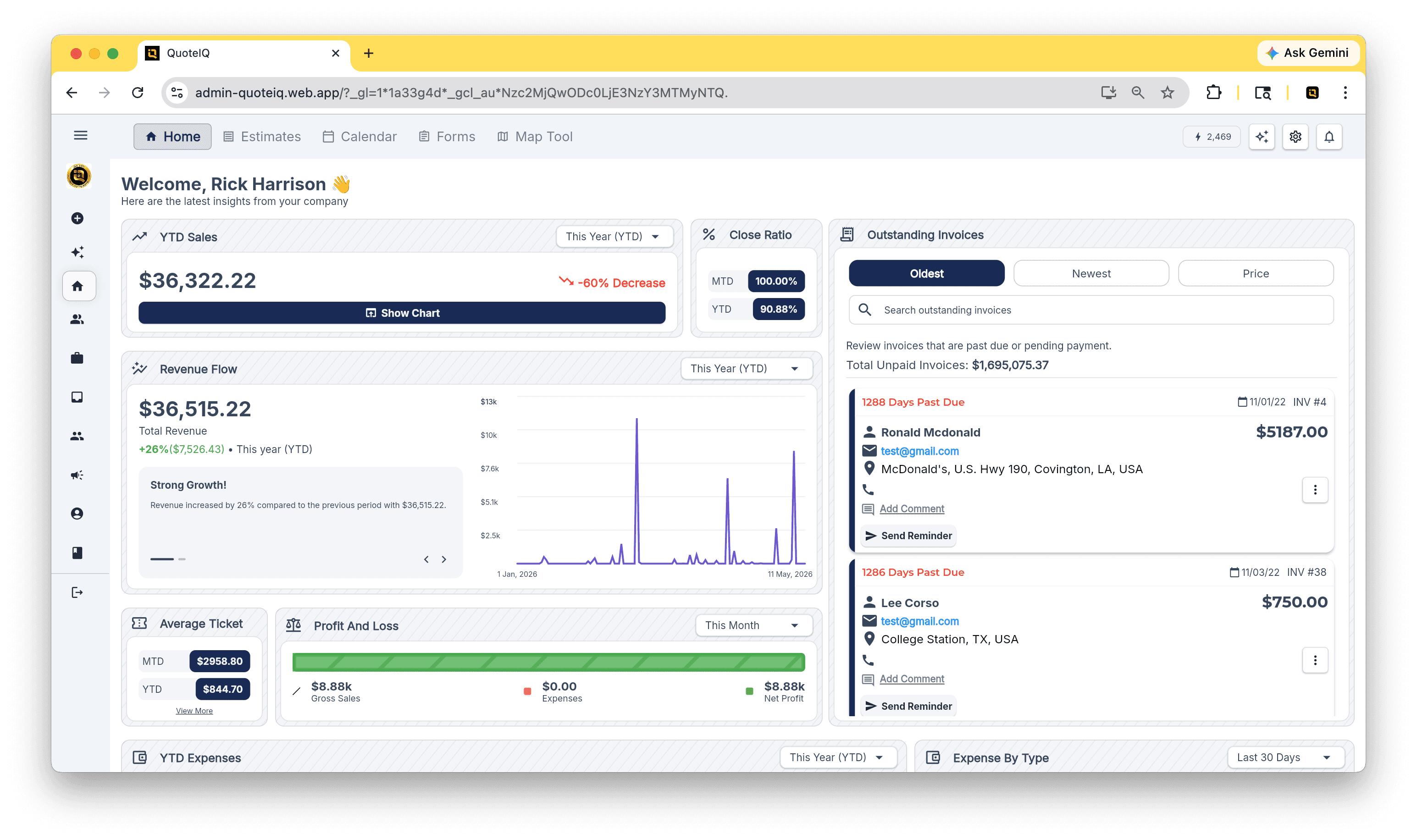
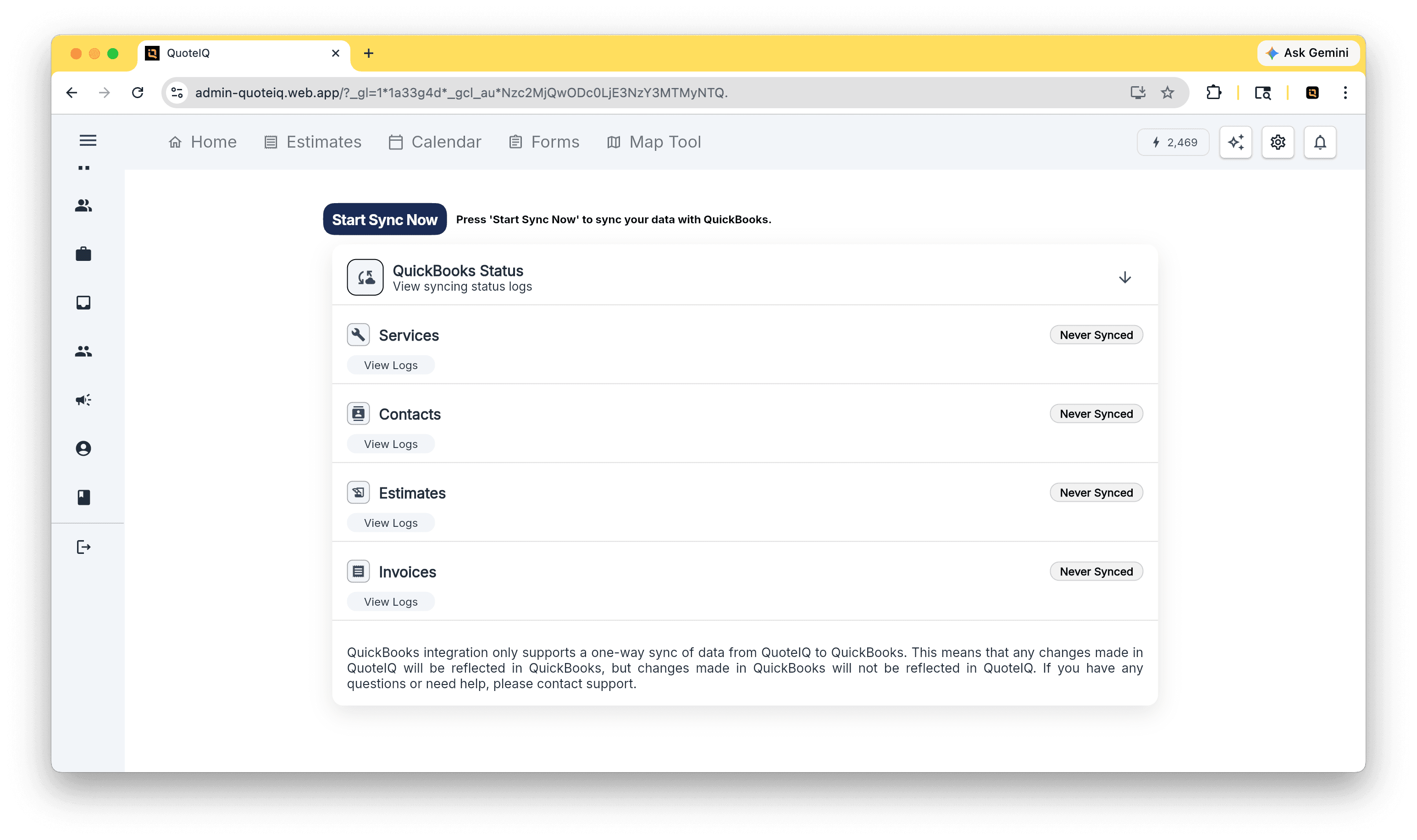
This is the specific gap job-costing features in quoting/invoicing tools are built to close — automatically netting a job's revenue against the labor and material cost already logged against it, instead of someone reconstructing it after the fact. QuoteIQ's job costing (bundled from the Pro tier up) is built on exactly this, alongside its QuickBooks sync — see the full breakdown on the Money & Growth deep-dive.
The honest limit: a job-costing feature is only as good as the labor-hour and material data actually entered against each job. If techs aren't logging hours accurately per job, or materials get billed to a general bucket instead of the specific job, the software will still produce a number — it just won't be a true one. Garbage in, garbage out applies here same as any other system; the software removes the manual reconciliation work, not the need for accurate data entry in the field.
The actual payoff
Job costing doesn't make a job more profitable by itself — it tells you which jobs actually were, which is what lets you fix pricing on the specific job types that are quietly losing money instead of guessing from overall cash flow. That number is the one that actually tells you whether your pricing is working.
#ad — this is an affiliate link. We earn a commission if you sign up through it, at no extra cost to you.